TL;DR: CVE-2026-64638, dubbed XSS2Shell, is a high-severity WordPress Core vulnerability that begins as a pre-authentication reflected XSS on the login screen and can be chained to PHP code execution when a logged-in administrator is successfully targeted. WordPress fixed the issue in 7.0.3 and backported the fix through maintained branches. Imperva Cloud WAF and On-Prem WAF customers are protected against this vulnerability.
On August 6, 2026, WordPress released version 7.0.3 with security fixes that include a pre-authentication reflected cross-site scripting vulnerability on the login screen with the potential to lead to PHP code execution. The issue is tracked as CVE-2026-64638 and is rated High severity with a CVSS score of 8.9.
About XSS2Shell
The vulnerability starts on the WordPress login page. When a login attempt uses an invalid username, WordPress includes that value in an error message returned to the browser. The security researchers found that the value is processed by multiple HTML sanitization components that do not interpret certain malformed markup in exactly the same way.
That parser disagreement can allow attacker-controlled HTML elements to survive the first sanitization step and later become active elements in the browser. On its own, this is not yet JavaScript execution, but the researchers showed how the injected elements can interact with JavaScript that WordPress already loads on the login page.
The result is reflected XSS in the security context of the affected WordPress site, without the attacker first needing a WordPress account.
From Reflected XSS to Server Compromise
The significance of XSS2Shell comes from the way several otherwise legitimate browser and WordPress features can be chained together. The researchers demonstrated that the XSS primitive can be used to trigger same-origin requests and interact with WordPress REST functionality. Against a logged-in administrator, the chain can then reach privileged WordPress capabilities and ultimately lead to PHP code execution on the server.
At a high level, the chain is: unauthenticated malicious input -> reflected XSS on the WordPress login page -> JavaScript execution in the WordPress origin -> abuse of a logged-in administrator session -> privileged WordPress actions -> PHP code execution.
An important distinction is that CVE-2026-64638 should not be described as a zero-interaction unauthenticated RCE. The official WordPress advisory states that escalation to RCE requires successful social engineering and explicit interaction by the target victim. In practice, the full chain targets a user who is already authenticated with sufficient WordPress privileges.
Why This Vulnerability Matters
It is in WordPress Core. The vulnerable behavior is part of WordPress itself rather than a third-party plugin or theme. No attacker account is required for the initial XSS. The vulnerability is reachable pre-authentication from the login screen. It demonstrates the risk of exploit chaining. What begins as a parsing inconsistency becomes significantly more serious when combined with browser behavior, WordPress JavaScript, REST functionality, and administrator capabilities. The potential impact is high. If the complete chain succeeds, an attacker can reach server-side PHP code execution, affecting confidentiality, integrity, and availability.
Affected WordPress Versions and Patch
WordPress states that the issue affects all versions of WordPress. Version 7.0.3 contains the fix, and WordPress has backported the security change through branches eligible for security fixes, currently down to the 4.7 branch. The corresponding patched releases include 6.9.6, 6.8.7, 6.7.6 and equivalent maintenance releases for older supported branches.
WordPress recommends that sites update immediately. Sites that support automatic background updates will begin receiving the security release automatically, but administrators should verify that the update completed successfully.
How Imperva Protects Customers
Imperva’s AI-powered security engine is designed to help protect customers against the next generation of AI-assisted attacks.
Rather than relying solely on known payloads or static signatures, Imperva uses strict protocol validation, behavioral analysis, anomaly detection, and continuous threat intelligence to detect and mitigate zero-day attacks and previously unseen malicious traffic patterns. This layered approach enables Imperva to respond rapidly when attackers or AI-driven research tools uncover novel techniques or new emerging threats, helping ensure customers remain protected even as zero-day discovery and exploitation become increasingly automated and fast-moving.
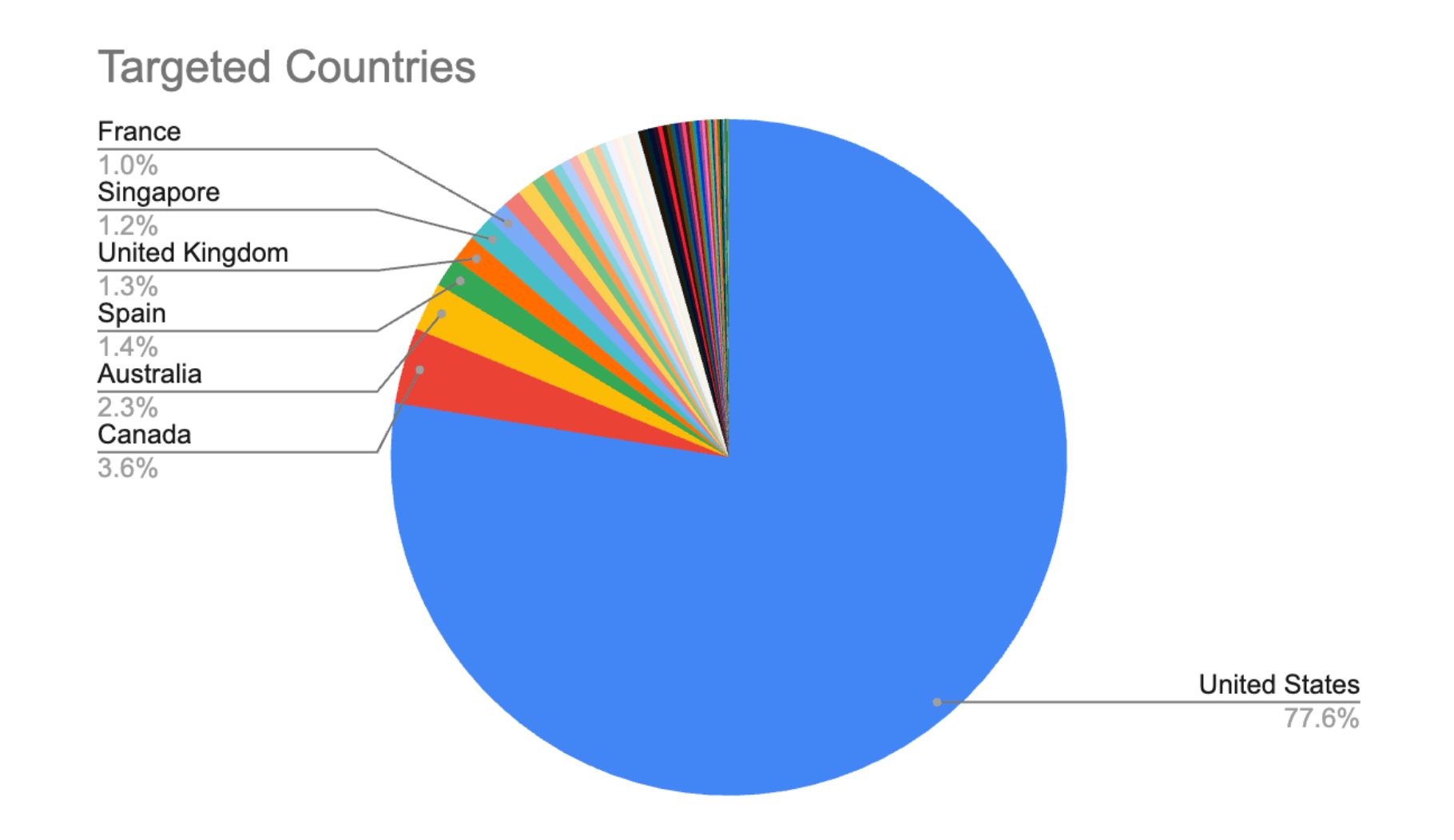
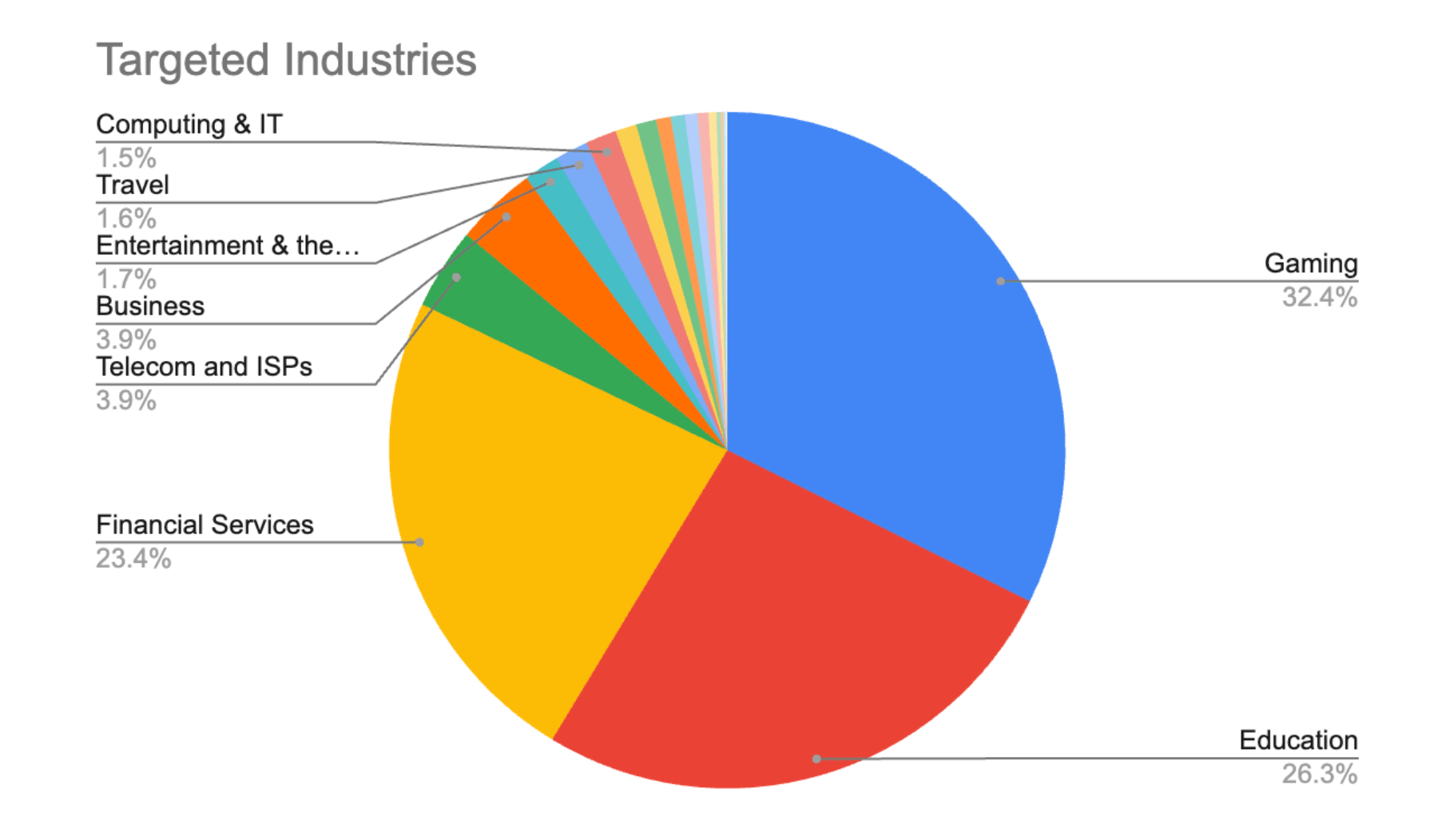
Imperva has since observed widespread activity targeting more than 11,000 distinct websites across 67 countries. Hundred thousands of requests were already recorded indicating broad, highly automated targeting rather than isolated attempts against a small number of organizations. More than 95% of the tools associated with this activity were written in Go, while over 75% of targeted websites were in the United States. Gaming was the most frequently targeted industry, accounting for 32% of observed sites, followed by education at 26% and financial services at 24%.
Recommended Actions
Update WordPress immediately. Sites on the 7.0 branch should update to WordPress 7.0.3 or later. Organizations on older maintained branches should install the corresponding patched maintenance release.
Verify automatic security updates. Do not assume the patch was applied successfully; confirm the running WordPress version on production systems.
Keep Imperva protections current. Cloud WAF customers receive managed security-rule updates. On-Prem WAF customers should maintain current product and security-content updates in accordance with Imperva guidance.
Review privileged accounts and credentials. Investigate unexpected administrator changes, application credentials, plugin installations, or other privileged actions on systems that remained vulnerable after disclosure.
Reduce administrator exposure to untrusted content. The full RCE chain requires interaction by a target victim, so administrators should avoid opening untrusted links while authenticated to sensitive WordPress environments.
AI-Assisted Vulnerability Discovery
XSS2Shell is also notable because of how the complete chain was developed. The security researchers state that they’ve used open-source AI models and a multi-agent research workflow, starting from earlier Same Origin Method Execution (SOME) research, and that the system took nearly four days to build the full chain.
The finding illustrates how AI-assisted security research can connect subtle behaviors across multiple layers of a complex application. For defenders, it reinforces the value of layered controls that can stop an exploit chain at more than one stage instead of relying only on a vulnerability-specific patch.
Bottom Line
CVE-2026-64638, or XSS2Shell, shows how a subtle parsing inconsistency in a widely deployed platform can become far more serious when chained with legitimate browser and application functionality. WordPress has released fixes, and administrators should patch immediately.
Imperva Cloud WAF and On-Prem WAF customers are protected against exploitation attempts associated with CVE-2026-64638. Existing XSS and application-security protections block the malicious input used to initiate the attack chain, and Imperva has further fortified mitigation after reviewing the newly disclosed techniques.
Try Imperva for Free
Protect your business for 30 days on Imperva.
Start Now